TRAIN AND EMPOWER THE LOCAL BODY OF BELIEVERS
Before any public outreach occurs, we engage the local believers. This group must have a heart for saving the lost and serving their community. Preferably, this step would take place prior to a disaster relief situation, however, this phase can be done after disaster strikes.
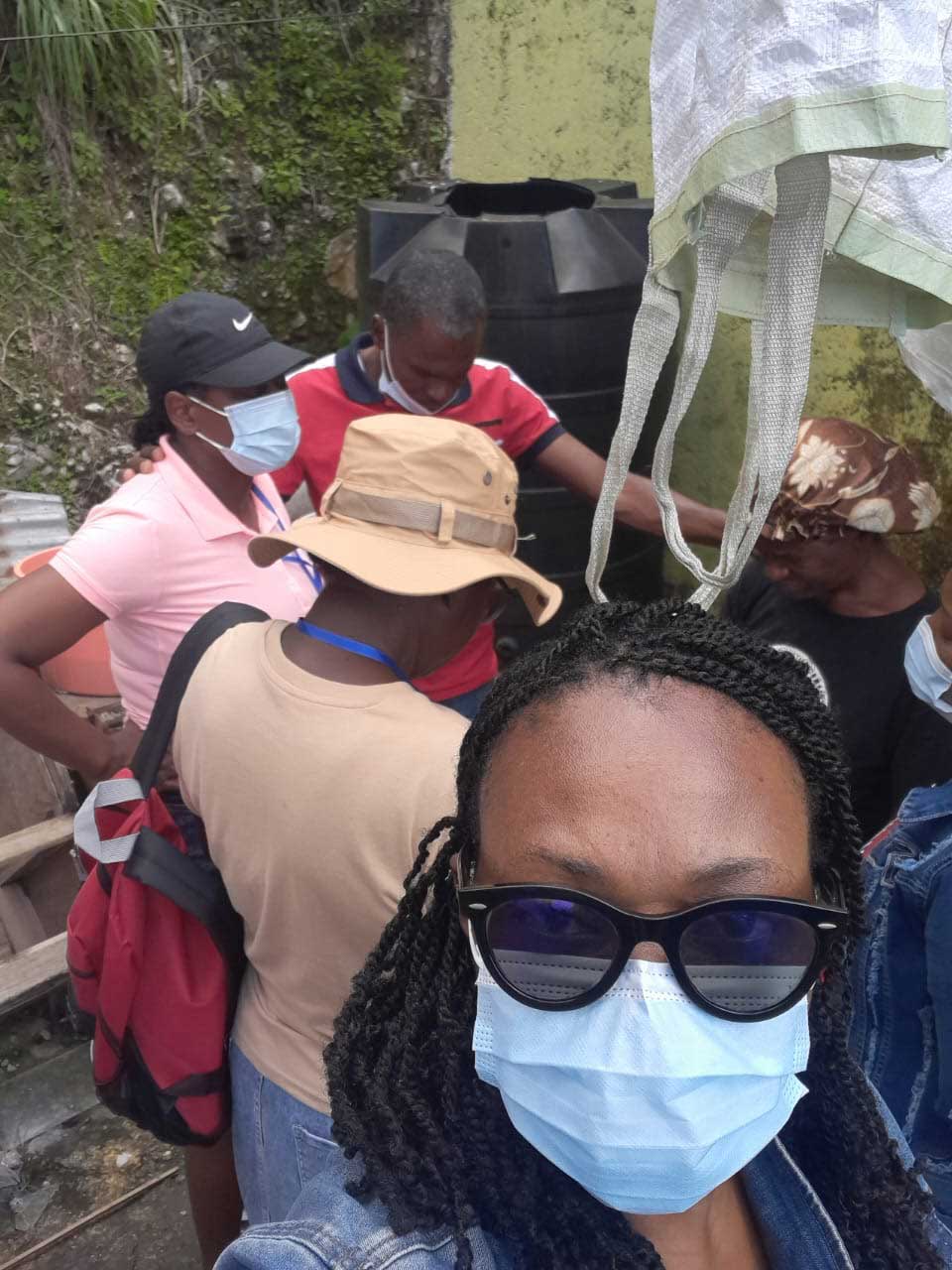
Training would begin by partnering with local pastors, leaders, and volunteers to listen and understand community needs, and then participating in hands-on training of the local partners.
During this phase, local believers would be trained in:
The long-term intent is that the church—not outside teams or ministries—becomes the center of ministry in the community during and after disasters. This phase ensures they are equipped, confident, and unified as the hands and feet of Jesus before any outward engagement begins.
Community Assessment And Water Filter Distribution
Once the local church is fully prepared, the next step is an organized community distribution event. The church is visible, active, and central during this outreach.
Elements of the Group Distribution Event:
This step establishes the foundation for personalized follow-up care. This entire phase is done in partnership with the local church, ensuring community members experience the compassion of Christ through believers from their own community. Non-resident volunteers are support only.
FOLLOW-UP CARE MINISTRY
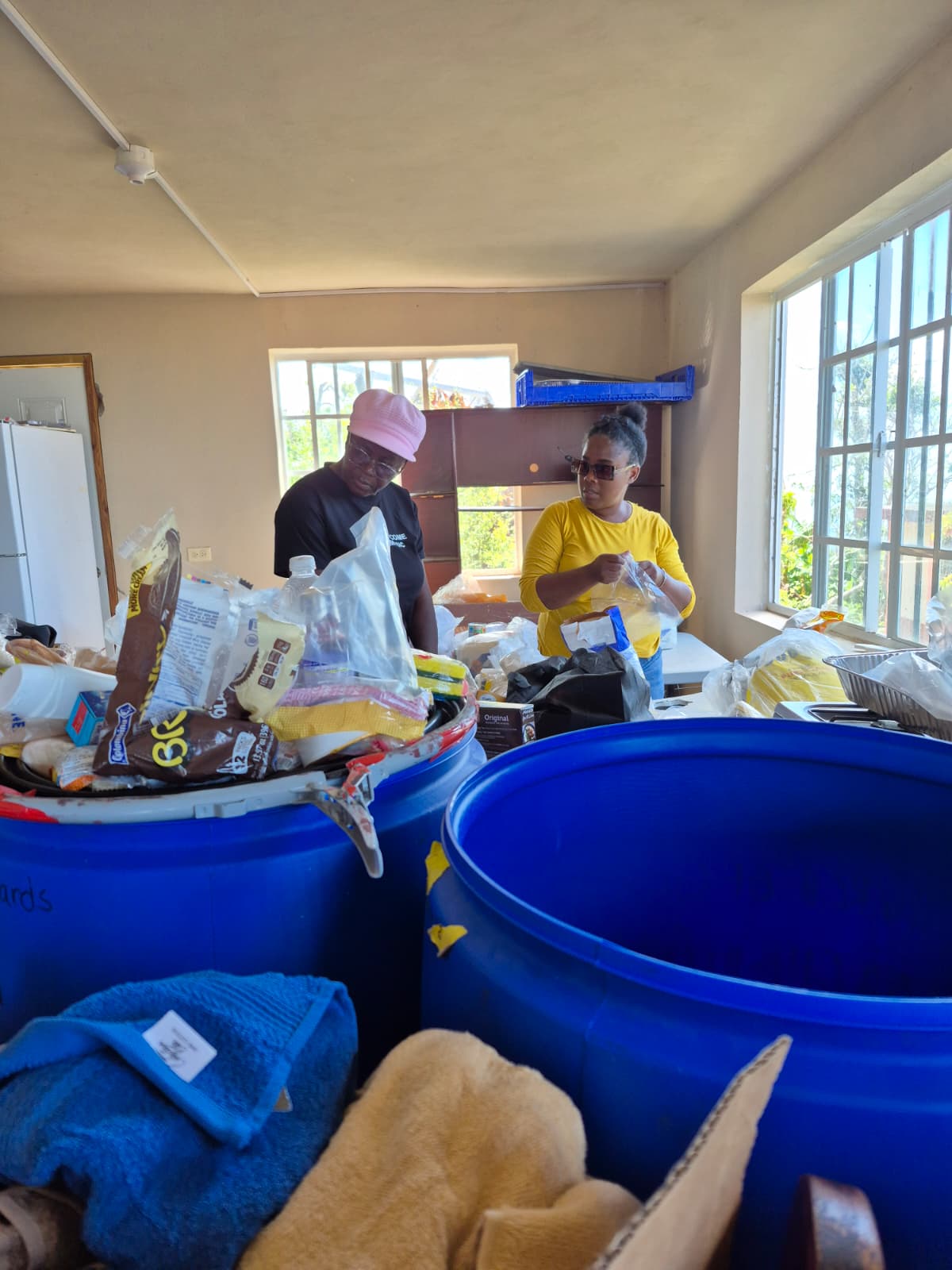
Following distribution, church-trained teams visit each household with individualized care packages, based on the information gathered during the distribution. These visits are highly relational and serve as the heart of the ongoing ministry. Using the Evangelism Care Boxes ensures the message is consistent, biblical, and reproducible.
During follow-up visits, teams:
Why Follow-up Care?
This repeated engagement fosters:
Jesus answered and said to her, “Whoever drinks of this water will thirst again, “but whoever drinks of the water that I shall give him will never thirst. But the water that I shall give him will become in him a fountain of water springing up into everlasting life.”
John 4:13-14 NKJV